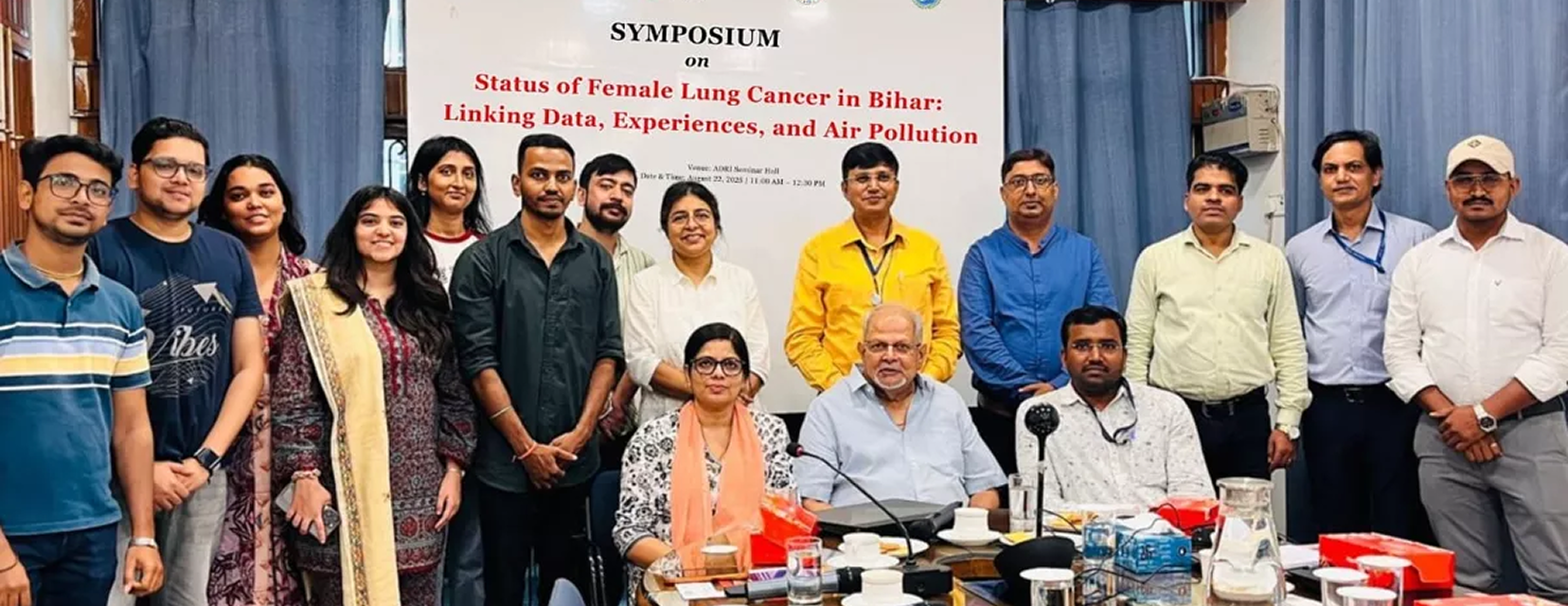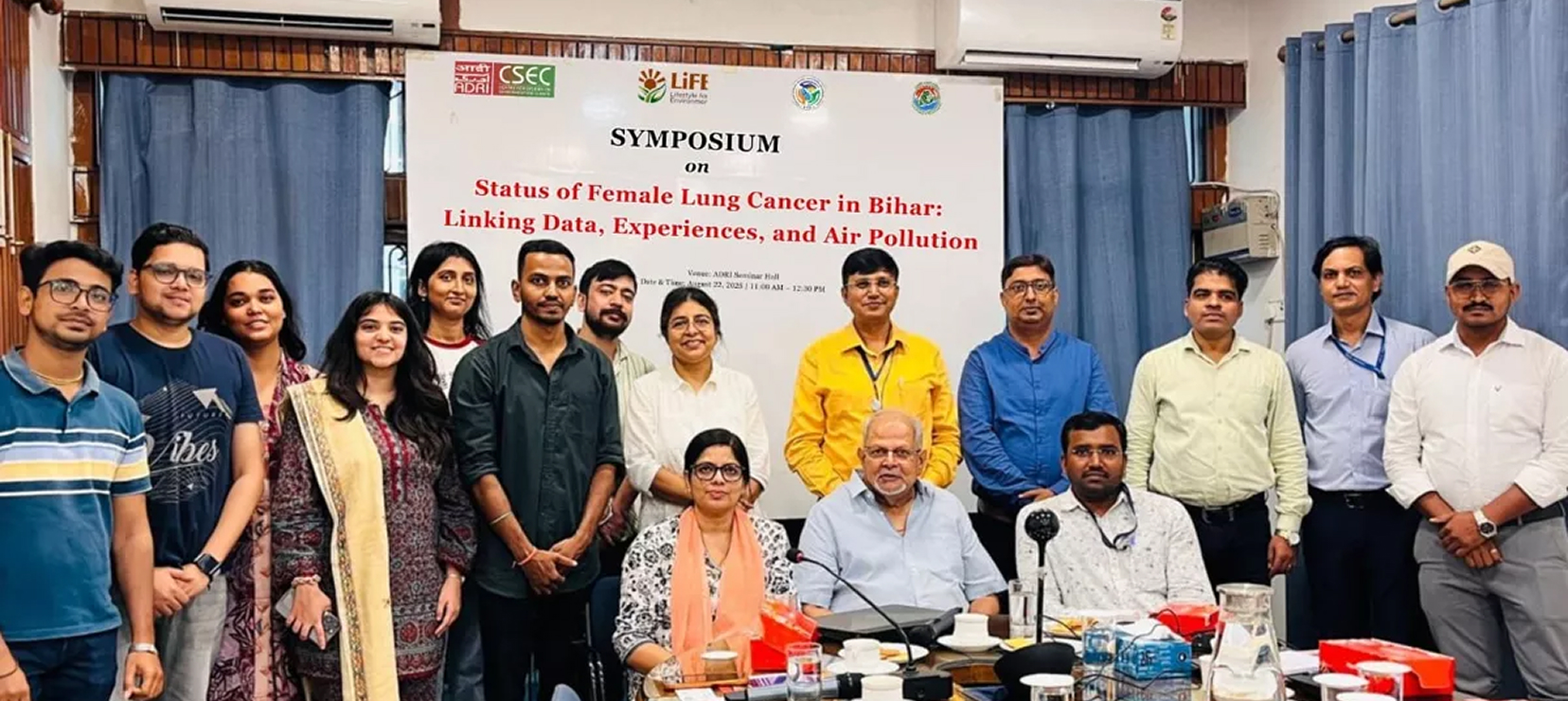
A recent study conducted by the Centre for Studies on Environment and Climate at the Asian Development Research Institute (ADRI), in collaboration with Mahavir Cancer Sansthan (MCS), reveals that indoor air pollution is a critical—and underrecognized—driver of lung cancer among non-smoking women in rural Bihar. Analyzing data from 2015 to 2023, the researchers identified 1,637 non-smoking women diagnosed with lung cancer, with a strong correlation between elevated PM2.5 levels and disease incidence.
In many rural kitchens where cooking is carried out using biomass fuels and oil, PM2.5 concentrations soared above 1,000 µg/m³—far exceeding the World Health Organization's safe limit of 25 µg/m³. The age group most impacted was women aged 41–60, pointing toward long-term exposure in poorly ventilated domestic settings.
Dr. Ashok Kumar Ghosh of MCS underscored the urgency of the issue, comparing the annual toll of 8.1 million air pollution–related deaths in India to the peak impact of the COVID-19 pandemic.
The study puts forward a clear mitigation strategy: improving kitchen ventilation, particularly reducing smoke and pollutants from biomass and oil-based cooking, as a vital preventive measure.
Why It Matters for OxyIoT
Real-world validation: This study reinforces the critical link between indoor PM2.5 exposures and lung cancer risk—especially in resource-constrained, rural environments where traditional cooking fuels and poor ventilation are common.
Targeted intervention opportunity: OxyIoT's sensor technology can provide timely monitoring and alerts for unsafe indoor air conditions, enabling informed action—like improving ventilation or switching to cleaner fuel sources.
Proactive health impact: By empowering households with awareness and data, OxyIoT can directly contribute to preventing health risks before they escalate to severe outcomes like cancer.
Scalability and awareness: In regions similar to Bihar, widespread deployment of OxyIoT devices could dramatically shift household behavior and pave the way for cleaner, safer indoor air in vulnerable communities.